
Dubai Metro Blue Line: What It Means for Dubai Real Estate and Property Investment

October 15, 2026
Dubai's transportation network is entering a new phase of development with the Dubai Metro Blue Line, a major infrastructure project designed to improve connectivity across the city.
Scheduled to open in September 2029, the new metro line will connect residential, commercial, and academic districts while integrating with the existing Red and Green Lines. Its development forms part of Dubai's long-term vision for a more connected, accessible, and sustainable city.
For buyers exploring Dubai real estate, the significance of the Blue Line extends beyond properties located near its planned stations. It also reflects the emirate's continued investment in infrastructure, urban expansion, and residential development.
As Dubai evolves, communities such as Jumeirah Village Circle (JVC) and contemporary residential projects like Nexara by 7th Key form part of the wider property landscape shaped by these long-term ambitions.
What Is the Dubai Metro Blue Line?
The Dubai Metro Blue Line is a planned 30-kilometre extension of Dubai's public transportation network, featuring 14 stations and three interchange points.
Developed by Dubai's Roads and Transport Authority (RTA), the project will connect key residential, business, educational, and commercial districts.
The line will integrate with the existing Metro network at Creek Station on the Green Line and Centrepoint Station on the Red Line, with another interchange at International City 1.
Its planned opening date is 9 September 2029, subject to the project's construction and delivery schedule.
The development also supports the Dubai 2040 Urban Master Plan, which prioritises sustainable urban growth, accessibility, and connected communities.
Dubai Metro Blue Line Route: Which Areas Will It Connect?
The Blue Line will operate across two interconnected branches, linking districts in eastern Dubai to the wider Metro network.
The planned route includes:
Creek corridor: Al Jaddaf, Dubai Festival City, Dubai Creek Harbour, Ras Al Khor, and International City.
Academic and technology corridor: International City, Dubai Silicon Oasis, and Dubai Academic City.
Centrepoint corridor: Mirdif and Al Warqa, connecting with International City and the existing Red Line.
These connections will improve public transport options in areas that currently rely heavily on road transportation.
The project is designed to serve approximately one million residents within its wider catchment area by 2040.
While these districts will experience the most direct changes to Metro accessibility, the development also contributes to the expansion of Dubai's integrated transportation system.
This wider perspective is important for property buyers evaluating residential communities throughout Dubai, not only those located along the new route.
How Could the Dubai Metro Blue Line Affect Dubai Real Estate?
Major infrastructure investments can influence a city's residential landscape by changing accessibility, supporting economic activity, and shaping future development patterns.
The Dubai Metro Blue Line introduces several factors worth considering when evaluating the long-term outlook for Dubai property investment.
1. A More Connected Dubai
The Blue Line will strengthen connections between residential communities, employment districts, educational institutions, and commercial destinations.
By integrating with the existing Metro system, it will give passengers additional options for travelling across the city.
Improved public transportation can also reduce reliance on private vehicles for journeys served by the network.
For Dubai residents, greater transport connectivity contributes to the convenience and accessibility of urban living.
For property buyers, it reinforces the importance of assessing how a residential community connects with the wider city.
2. Continued Urban and Economic Development
Dubai's infrastructure expansion is closely linked to its long-term urban planning objectives.
The Blue Line is part of a wider approach to creating connected residential and economic centres, supporting population growth, and improving access to essential destinations.
According to RTA, the project is expected to generate economic benefits exceeding AED 56.5 billion by 2040.
These projected benefits extend beyond transportation, contributing to Dubai's broader economic and urban development ambitions.
For the Dubai real estate market, continued infrastructure investment provides an important foundation for evaluating the city's long-term growth.
However, wider economic benefits should not be interpreted as guaranteed financial returns for individual properties.
3. Changing Residential Preferences
Transportation accessibility can influence how residents choose where to live.
Some buyers prioritise proximity to Metro stations, while others place greater importance on community facilities, property design, road connectivity, schools, and lifestyle amenities.
As Dubai's transportation infrastructure expands, residential choices may become increasingly influenced by the combination of these factors.
This creates a broader opportunity for buyers to evaluate different neighbourhoods according to their individual needs, rather than concentrating exclusively on a small number of central locations.
4. Long-Term Property Investment Considerations
Infrastructure developments can contribute to property demand where they provide meaningful improvements to everyday accessibility.
RTA has previously indicated that the Blue Line could support land and property value increases of approximately 10–25% around Metro stations.
These estimates relate to potential effects near stations and should not be applied automatically to Dubai's entire property market.
Actual Dubai property prices will continue to depend on location, market conditions, residential supply, building quality, and buyer demand.
For investors, the Blue Line should be considered as one element of Dubai's broader development outlook rather than a guarantee of future price appreciation.
What Does the Dubai Metro Blue Line Mean for Properties Across Dubai?
Although the Blue Line directly serves particular districts, Dubai's real estate development is not limited to these locations.
The city functions through an interconnected network of residential communities, employment hubs, commercial destinations, and major transport routes.
Improvements in one part of this network can contribute to the broader development of the city, even when the benefits are not equally distributed across every neighbourhood.
For example, new Metro connections may improve access to employment and educational centres, while existing residential communities continue to appeal to buyers through their own combination of amenities, location, accessibility, and property offerings.
For those exploring residential property in Dubai, this highlights the importance of evaluating each community on its individual strengths.
The same principle applies to off-plan developments in Dubai. A project's long-term appeal should be assessed through its design, surrounding infrastructure, developer, accessibility, and suitability for future residents.
Being located near a proposed Metro line is not the only consideration that determines whether a property is desirable.
Jumeirah Village Circle and Dubai's Evolving Residential Landscape
Jumeirah Village Circle (JVC) is an established residential community that continues to attract attention from homebuyers seeking contemporary living within Dubai.
Known for its residential developments, neighbourhood amenities, and access to major roads, JVC offers an urban lifestyle within a community-oriented setting.
Although the Dubai Metro Blue Line does not directly pass through JVC, the neighbourhood forms part of Dubai's wider residential landscape, which continues to evolve alongside the city's infrastructure investments.
For prospective buyers, the appeal of JVC is based on its own location, residential environment, and accessibility to destinations across Dubai.
The Blue Line's development does not establish a direct transport advantage for JVC. Instead, it reflects the broader direction of Dubai's long-term urban expansion, where connectivity and quality of living remain important priorities.
For buyers comparing apartments for sale in Dubai, JVC remains a community worth evaluating based on its residential offerings and individual property characteristics.
Nexara by 7th Key: Contemporary Urban Living in JVC
As Dubai continues to advance its urban landscape, contemporary residential developments play an important role in shaping the city's living experience.
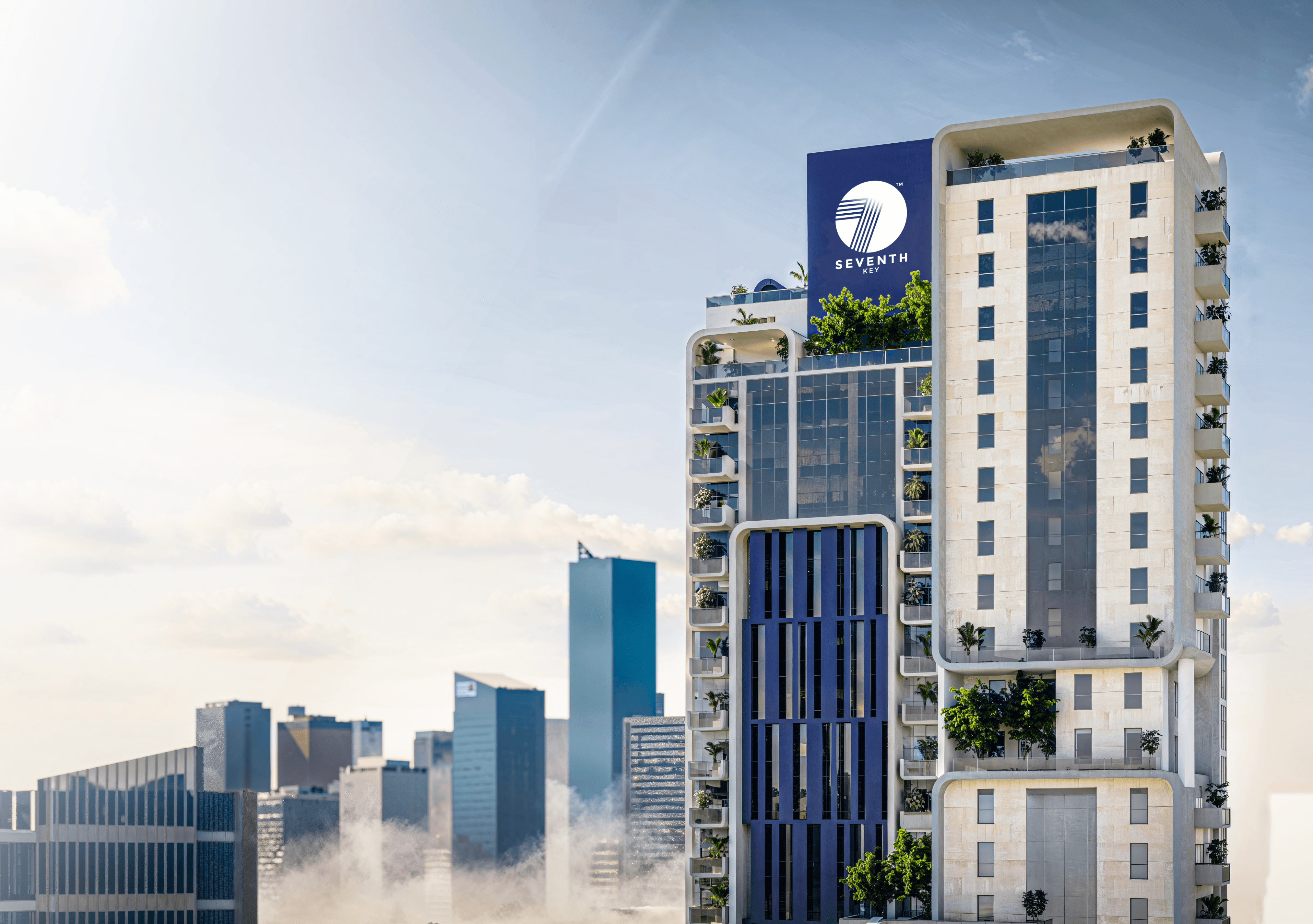
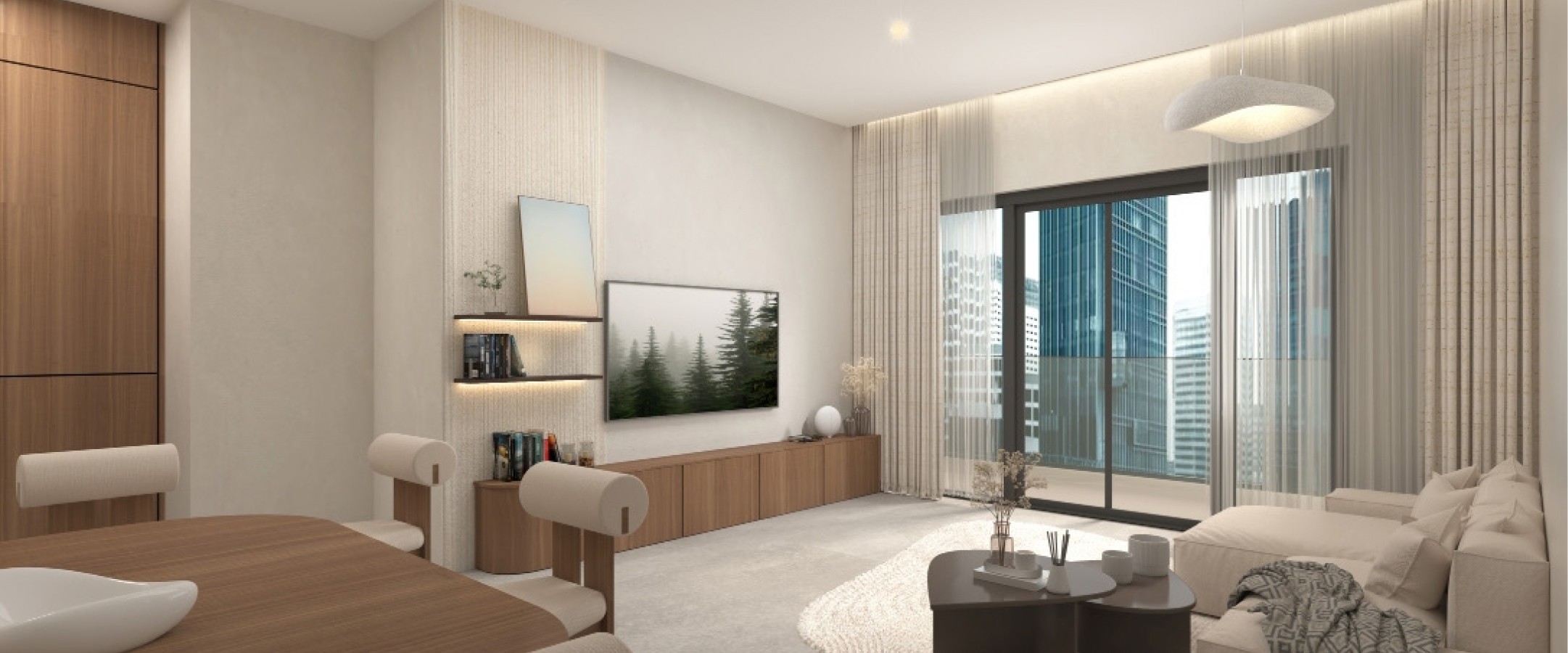
Nexara by 7th Key, located in Jumeirah Village Circle, reflects a modern approach to residential development, bringing together contemporary design and the character of urban luxury.
Created around 7th Key's vision of living where luxury flows naturally, Nexara contributes to the evolving residential environment of JVC.
Its location places the development within an established Dubai community, offering a residential setting connected to the city's wider road network and lifestyle destinations.
For buyers exploring off-plan apartments in Dubai, Nexara presents an opportunity to consider contemporary living in JVC.
While the Blue Line represents an important milestone for Dubai's future transportation network, Nexara's residential proposition is grounded in its own design, location, and development concept.
Together, these reflect different dimensions of Dubai's continued evolution: investment in citywide infrastructure and the creation of contemporary places to live.
What Should Buyers Consider Before Investing in Dubai Property?
Whether purchasing an apartment for personal use or evaluating Dubai real estate investment, infrastructure development should form part of a wider assessment.
Important considerations include:
Community location: Assess access to major roads, business districts, essential services, and existing transportation networks.
Property design: Consider layouts, residential facilities, specifications, and the overall development concept.
Developer credibility: Review the developer's experience, project information, and delivery commitments.
Market demand: Compare residential supply, rental demand, recent property transactions, and competing developments.
Ownership costs: Account for purchase fees, service charges, ongoing expenses, and potential financing commitments.
Future infrastructure: Distinguish between completed infrastructure, projects under construction, and long-term proposals.
For buyers considering off-plan property in Dubai, it is also important to verify registration details, contractual terms, construction progress, payment schedules, and expected handover dates.
A property's value as a residential choice or investment depends on more than proximity to a planned transportation project.
Dubai Metro Blue Line and the Future of Dubai Property
The Dubai Metro Blue Line is more than an addition to the city's public transportation system. It represents another stage in Dubai's long-term investment in accessibility, sustainable development, and connected urban communities.
As the city continues to grow, transport infrastructure and residential development will remain important elements of its evolving landscape.
For property buyers, the opportunity is to understand how these developments contribute to Dubai's future while evaluating individual properties according to their own merits.
At 7th Key, the focus is on creating contemporary residential environments that reflect Dubai's modern lifestyle.
Through Nexara in Jumeirah Village Circle, 7th Key brings that vision into an established residential community, with an approach to urban luxury defined by contemporary design and considered living.
Discover Nexara by 7th Key.
Frequently Asked Questions
When will the Dubai Metro Blue Line open?
The Dubai Metro Blue Line is scheduled to open on 9 September 2029. The date remains subject to construction progress and official RTA updates.
Which areas will the Dubai Metro Blue Line connect?
The planned route includes Al Jaddaf, Dubai Festival City, Dubai Creek Harbour, Ras Al Khor, International City, Dubai Silicon Oasis, Dubai Academic City, Mirdif, and Al Warqa.
Will the Dubai Metro Blue Line increase property prices?
Improved Metro accessibility may support property demand near certain stations. However, price growth is not guaranteed and will depend on market conditions, property supply, location, and other factors.
How will the Blue Line benefit Dubai's wider real estate market?
The Blue Line will expand Dubai's integrated transportation network, improve connections between several major districts, and support long-term urban development. Its property-market effects will vary by location.
Will the Dubai Metro Blue Line connect to JVC?
No. The confirmed Blue Line route does not include Jumeirah Village Circle. JVC's accessibility should be assessed through its existing road and transportation connections.
Is JVC suitable for property investment in Dubai?
JVC offers residential developments within an established community. Investment suitability depends on the individual property, purchase price, rental demand, ownership costs, and the buyer's objectives.
Where is Nexara by 7th Key located?
Nexara by 7th Key is located in District 11, Jumeirah Village Circle, Dubai, offering a contemporary residential development within an established community.