
Tokenization of Real Estate Using Blockchain Technology

October 22, 2026
Dubai continues to position itself at the forefront of real estate innovation, with blockchain technology becoming an increasingly important part of the sector’s digital transformation.
In 2025, the Dubai Land Department introduced its Real Estate Tokenisation Project as part of the wider Real Estate Innovation Initiative. The programme explores how blockchain technology can support fractional property ownership, greater accessibility, and more efficient real estate transactions.
For buyers and investors, real estate tokenization introduces a new way to participate in the property market without necessarily purchasing an entire asset.
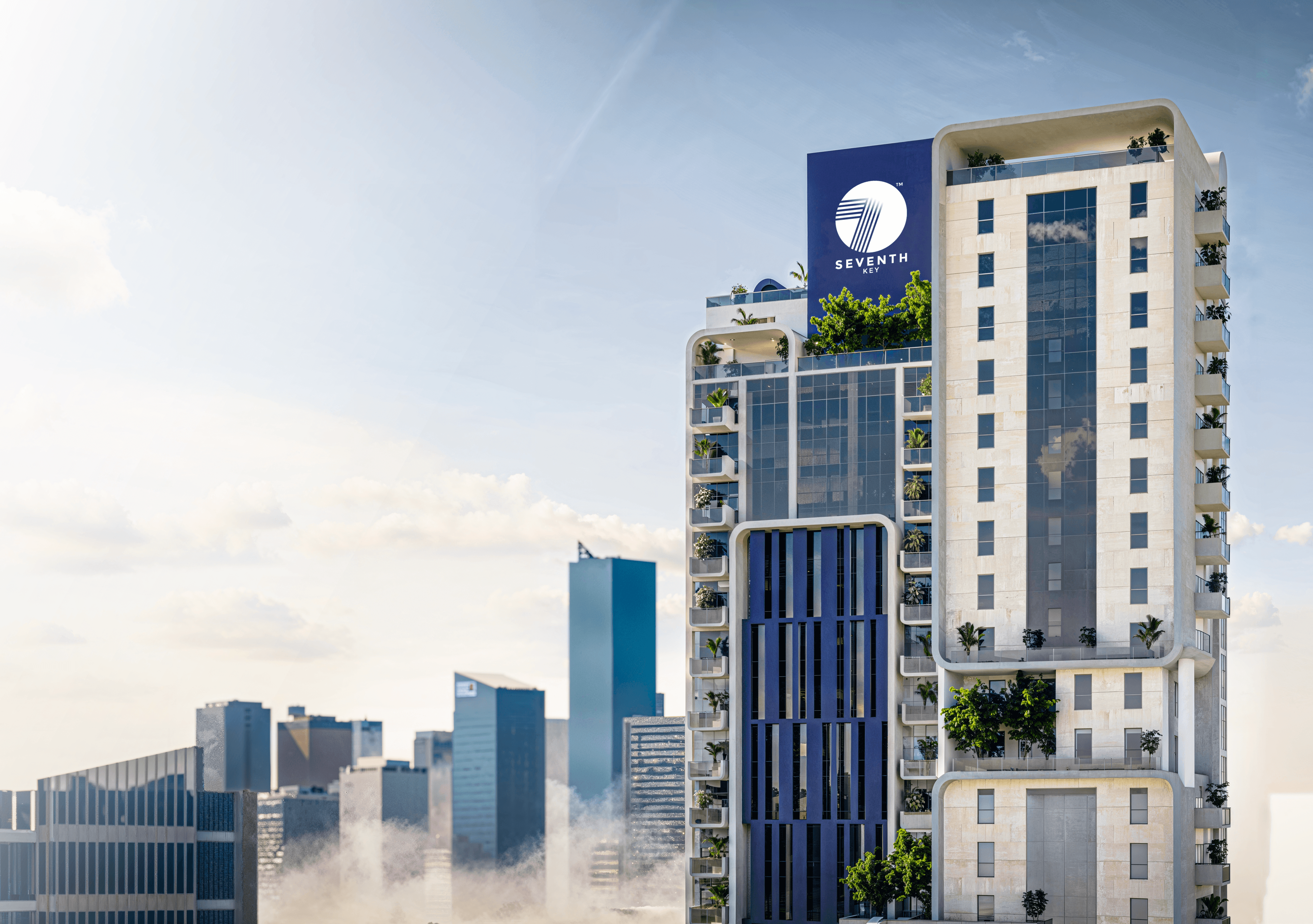
As Dubai continues to develop this framework, projects such as Nexara Tower by 7th Key Development operate within a real estate market that is becoming increasingly digital, connected, and technology-driven.
What Is Real Estate Tokenization?
Real estate tokenization is the process of representing ownership interests in a physical property through digital tokens recorded on a blockchain.
Each token can represent a defined fraction of the underlying property.
Instead of one investor purchasing an entire property, several investors may hold smaller ownership interests in the same asset.
In simple terms, tokenization can divide a high-value real estate asset into smaller digital portions, creating a different route into property investment.
This is commonly known as fractional ownership.
How Does Blockchain Support Real Estate Tokenization?
Blockchain functions as a digital record of transactions.
Information recorded through blockchain technology can create a transparent and traceable history of ownership and transfers.
Within real estate, blockchain can potentially support:
Ownership records
Transaction histories
Digital transfers
Investor participation
Compliance processes
Distribution of applicable returns
The objective is not simply to digitise property documents, but to create a more connected system for managing ownership and transactions.
Dubai's Real Estate Tokenization Initiative
Dubai's Real Estate Tokenisation Project forms part of the city's wider strategy to modernise its property market.
The initiative is intended to explore how blockchain-based ownership structures can expand access to real estate while maintaining regulatory oversight.
Dubai has already moved beyond the concept stage, introducing regulated tokenized property investment opportunities and digital ownership certificates.
The initiative also supports Dubai's broader ambition to develop a property market that combines traditional real estate ownership with new forms of digital investment.
Fractional Property Ownership
One of the most significant features of tokenization is fractional ownership.
Traditional real estate investment typically requires buyers to purchase an entire property or make a substantial financial commitment.
Tokenization can divide the economic interest in a property into smaller portions.
For example, rather than one investor purchasing a property valued at AED 1 million, multiple investors may each hold a smaller tokenized interest in that asset.
This can potentially lower the entry point into property investment and allow a broader range of investors to participate.
Greater Accessibility for Investors
Tokenization may also provide new opportunities for portfolio diversification.
Instead of committing a large amount of capital to one property, investors may potentially distribute their investment across several different real estate assets.
Depending on the available regulated offerings, this could provide exposure to different:
Communities
Property types
Investment values
Residential segments
Real estate strategies
This creates a different model from traditional property ownership while still linking the investment to an underlying physical asset.
Transparency Through Blockchain
Transparency is one of the key potential advantages of blockchain-based real estate systems.
Transactions recorded digitally can create a clearer history of ownership and transfers.
This can make it easier for investors and regulators to track activity connected with a particular asset.
Dubai's approach to tokenization also combines blockchain technology with regulatory oversight rather than treating digital property ownership as an entirely separate or unregulated market.
Can Tokenized Property Be Resold?
Another area of development is the secondary market for tokenized real estate.
Dubai has already begun introducing mechanisms that allow eligible tokenized property interests to be resold under the developing regulatory framework.
This could potentially improve liquidity compared with traditional real estate, where an investor generally needs to sell an entire property to exit the investment.
However, tokenization does not guarantee an immediate sale.
Liquidity still depends on factors such as:
Market demand
The underlying property
Platform participation
Regulation
Pricing
Investor interest
Tokenized real estate should therefore still be approached as an investment rather than as an automatically liquid digital asset.
Potential Benefits of Real Estate Tokenization
Real estate tokenization has the potential to reshape how investors access the property market.
Lower Entry Points
Fractional ownership can make it possible for investors to participate without purchasing an entire property.
Broader Access
Smaller investment amounts may open property investment to a wider group of investors.
Greater Transparency
Blockchain technology can provide traceable digital records of transactions and ownership.
Potential Liquidity
Secondary-market functionality may provide additional opportunities for investors to transfer eligible ownership interests.
Digital Efficiency
Digital ownership infrastructure can potentially simplify certain aspects of the investment and transfer process.
Portfolio Diversification
Investors may eventually be able to spread capital across multiple tokenized properties rather than concentrating it in one asset.
Tokenization Is Not the Same as Cryptocurrency
Real estate tokenization and cryptocurrency are often grouped together because both use blockchain-related technology.
However, they serve different purposes.
Real estate tokenization relates to how ownership or an economic interest in a property is represented digitally.
Cryptocurrency is a digital asset that may be used as a payment method where accepted and permitted.o
Nexara Tower by 7th Key Development currently supports real-time crypto payment acceptance.
This means eligible buyers can use supported digital assets as part of the property purchasing process.
However, this does not mean that Nexara Tower itself is currently offered as a tokenized property investment.
The two concepts should remain clearly separated.
Technology and the Nexara Buying Journey
Nexara Tower already reflects 7th Key Development's broader approach to creating a modern and digitally supported purchasing experience.
The current Nexara sales journey includes:
Customer Verification
Buyers complete the Customer Information Form and KYC verification.
Booking
The buyer completes the required 20% down payment, 4% DLD fee, and AED 3,540 administration fee.
Sales and Purchase Agreement
The SPA is issued after completion of the applicable booking requirements.
Oqood Registration
Under the current Nexara sales process, Oqood is issued within 60 business days from SPA execution.
Alongside this structured digital customer journey, Nexara also supports real-time crypto payment acceptance.
These features demonstrate how property purchasing in Dubai continues to evolve alongside wider technological changes in the real estate sector.
Could Tokenization Become Relevant to Developers?
Dubai's tokenization initiative creates new possibilities not only for investors but also for developers.
As the regulatory framework develops, tokenization could provide developers with additional ways to structure access to real estate assets.
Potential future applications could include:
Fractional investment structures
Broader international investor participation
Digital ownership records
New secondary-market opportunities
More technology-driven property transactions
At present, there is no approved information stating that Nexara Tower is being offered through a tokenized ownership structure.
Any future participation would need to follow the applicable Dubai Land Department and regulatory requirements.
The Future of Tokenized Real Estate in Dubai
Dubai expects tokenized real estate to become a meaningful part of its property market over the coming years.
The Dubai Land Department has projected that the value of tokenized real estate transactions could reach approximately AED 60 billion by 2033, representing around 7% of Dubai's real estate transactions.
The development of regulated fractional ownership, digital ownership certificates, and secondary-market activity suggests that tokenization is moving from an emerging concept toward a more established component of Dubai's real estate ecosystem.
A New Chapter for Dubai Property Investment
Tokenization does not replace traditional property ownership.
Instead, it introduces another way for investors to participate in real estate.
Some buyers will continue to prefer full ownership of residential properties, while others may choose fractional exposure through regulated tokenized assets.
For Dubai, the wider direction is clear: the property market is becoming increasingly digital, accessible, and technology-driven.
Nexara Tower by 7th Key Development sits within this broader evolution, combining contemporary urban living with a structured digital purchasing journey and support for real-time crypto payments.
As Dubai continues to expand its blockchain-based real estate infrastructure, both investors and developers will have new opportunities to participate in the next stage of property innovation.
Frequently Asked Questions
What is real estate tokenization?
Real estate tokenization represents ownership interests in a physical property through digital tokens recorded using blockchain technology.
What is fractional property ownership?
Fractional ownership allows multiple investors to hold separate interests in the same property instead of requiring one investor to purchase the entire asset.
Is real estate tokenization available in Dubai?
Yes. Dubai has introduced a regulated Real Estate Tokenisation Project and has already begun implementing tokenized property investment structures.
Is tokenization the same as buying property with cryptocurrency?
No.
Tokenization relates to the structure of property ownership, while cryptocurrency is a digital asset that may be used as a method of payment.
Does Nexara Tower accept cryptocurrency?
Yes. Nexara Tower currently supports real-time crypto payment acceptance.
Is Nexara Tower tokenized?
No current approved information states that Nexara Tower is being offered as a tokenized property investment.
Can tokenized property interests be resold?
Dubai's developing tokenization framework includes secondary-market mechanisms for eligible tokenized property interests, subject to applicable regulations and platform requirements.
What is the future of real estate tokenization in Dubai?
Dubai Land Department projects that tokenized real estate could reach approximately AED 60 billion in value by 2033, representing around 7% of Dubai's overall real estate transactions.